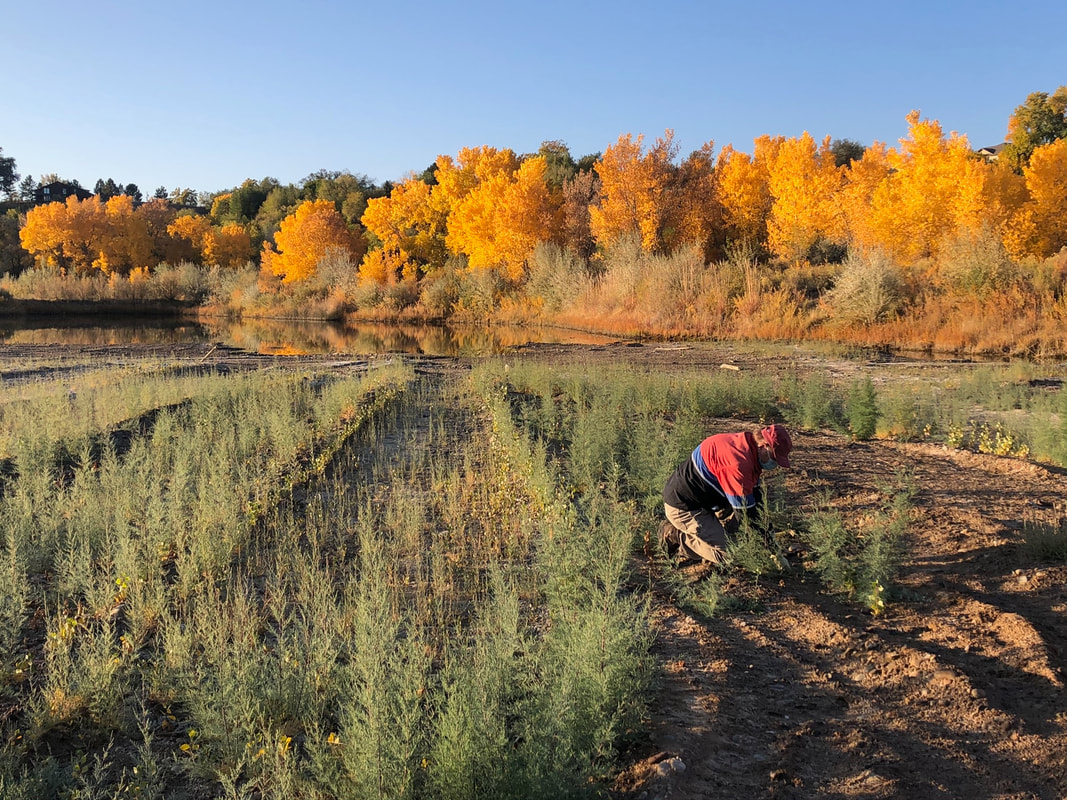
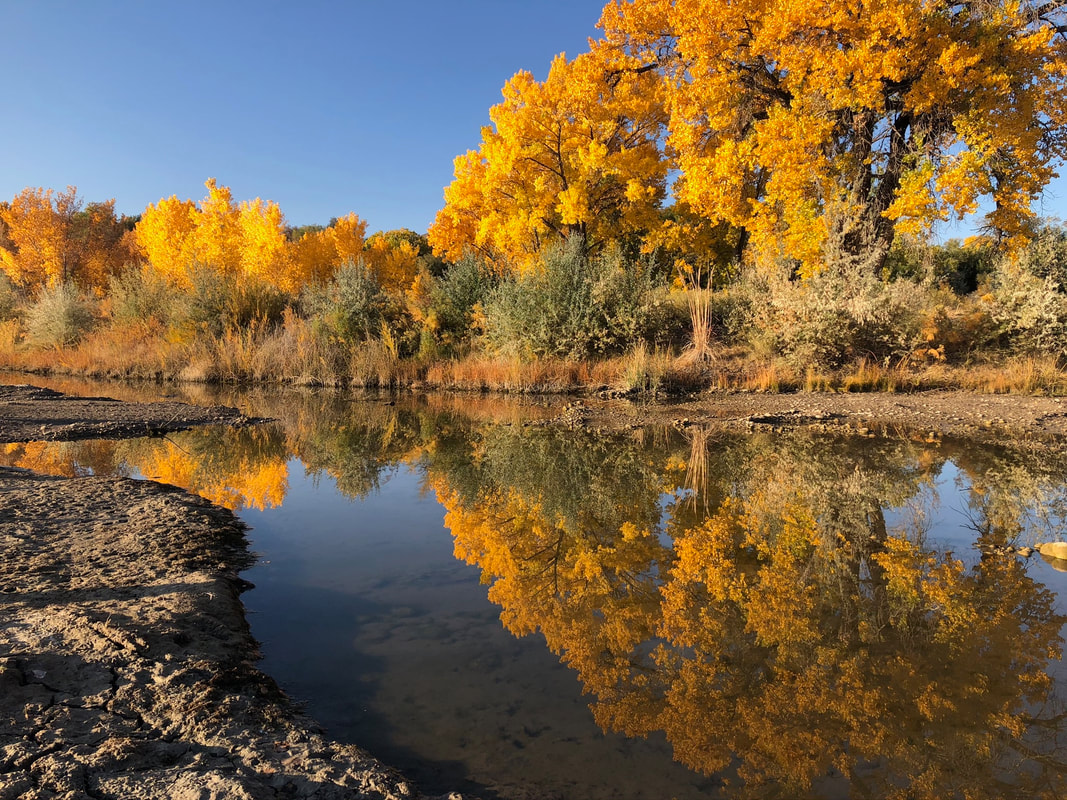
Wetland Improvement Project
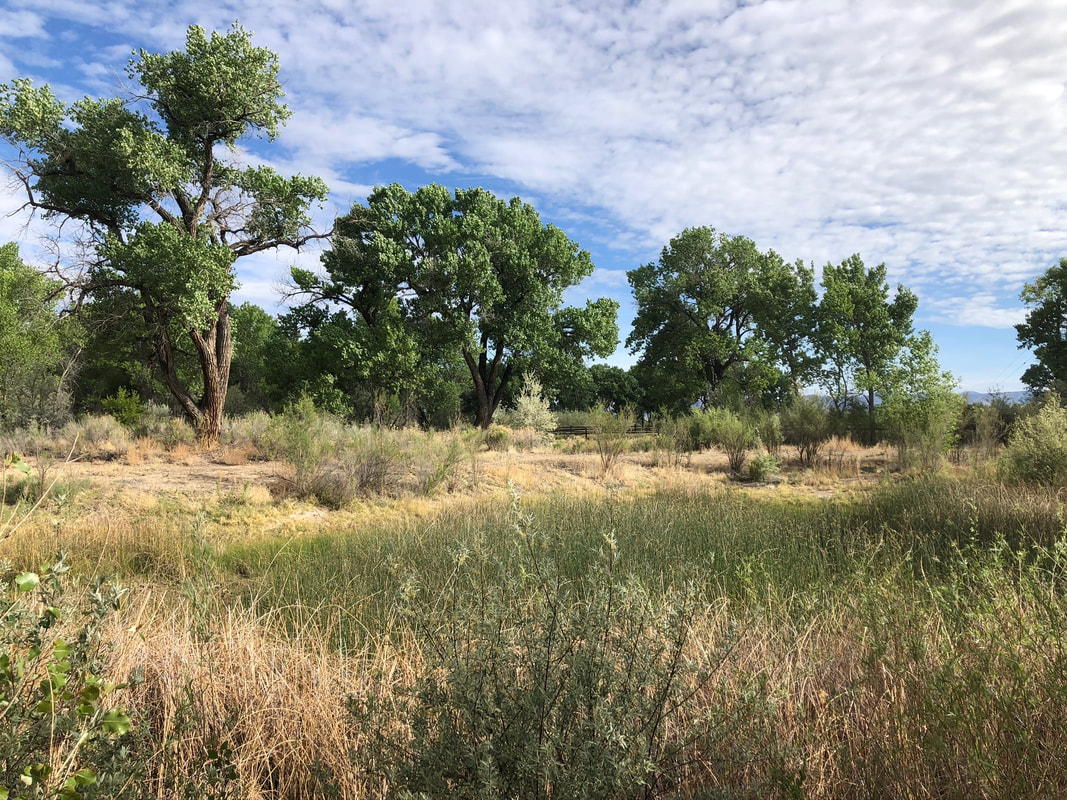
at the Audubon Nature Preserve The Grand Valley is located on the western edge of the Central Flyway–an important migration corridor for waterfowl and shorebirds. These species rely on wetland habitat along their migration path where they can stop to rest and feed. However, due to development, diversions and management of flows in the Colorado River, naturally created wetland habitat is scarce in Western Colorado. Wetlands formed by agricultural irrigation and leakage from irrigation ditches substitute for natural wetlands in our area, but these may also become more scarce as land and water use changes. Population growth in the Grand Valley leading to the conversion of agricultural land to residential development and more efficient irrigation practices will decrease the amount of these substitute wetlands in the Grand Valley. This project will create wetlands that will help offset this loss.
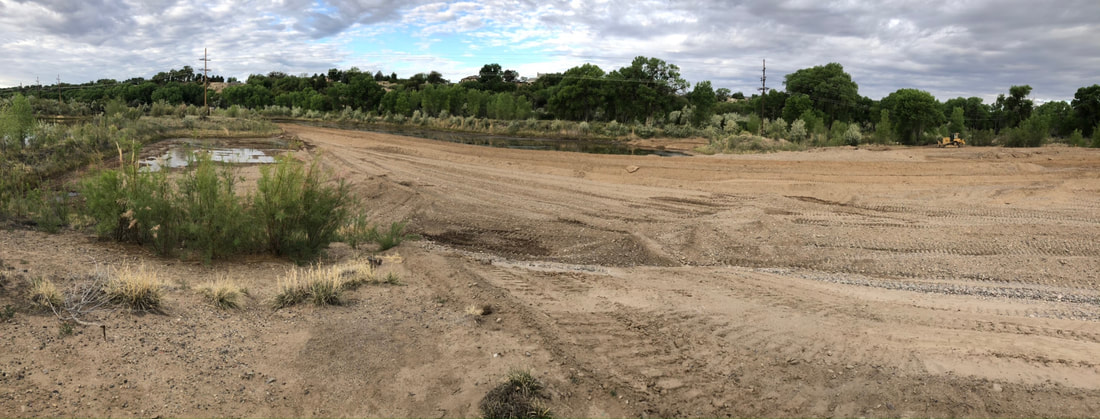
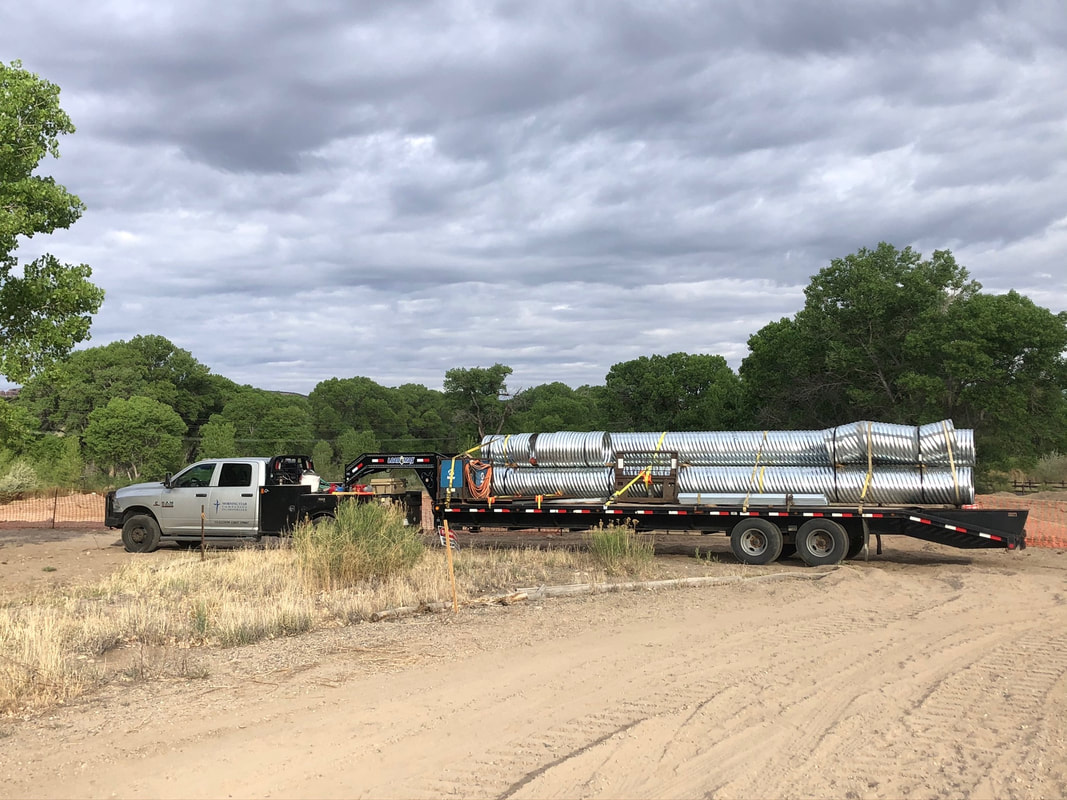
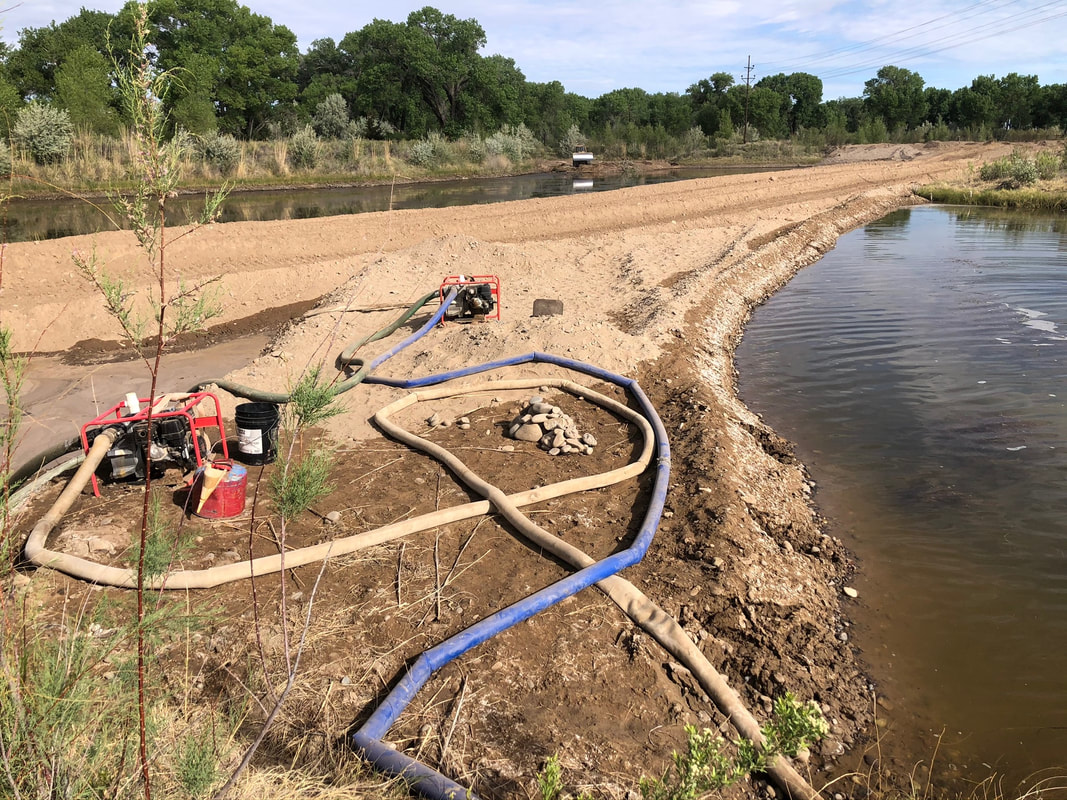
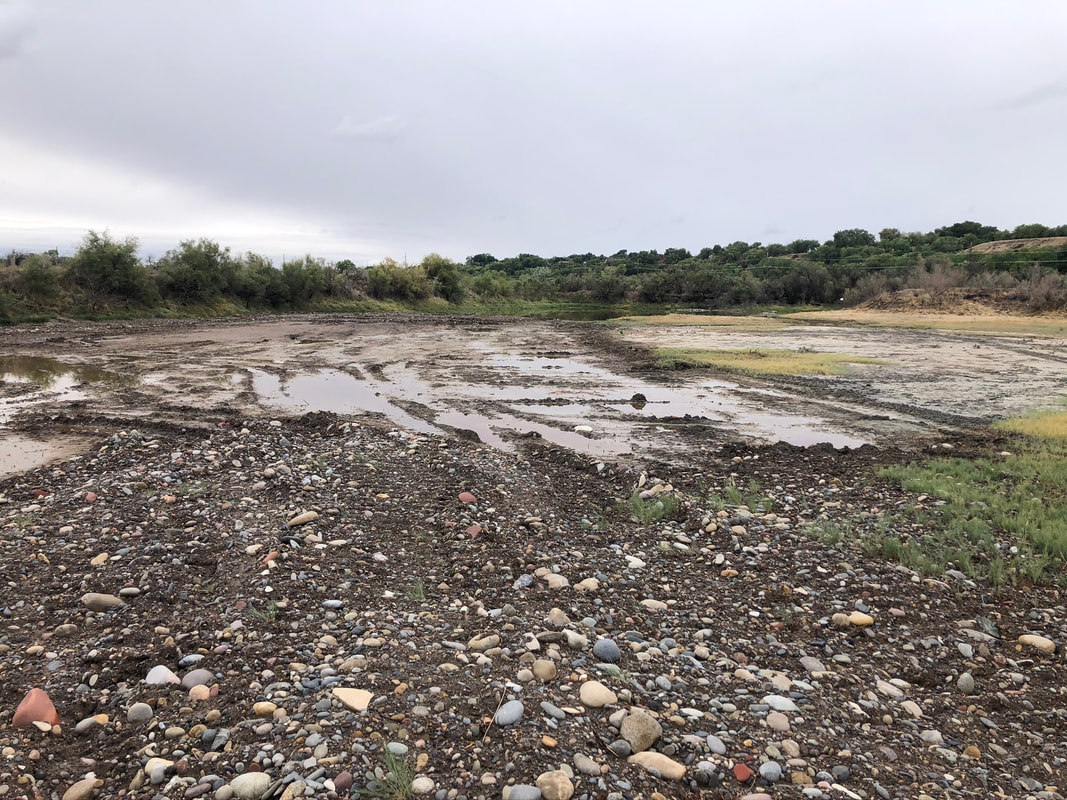
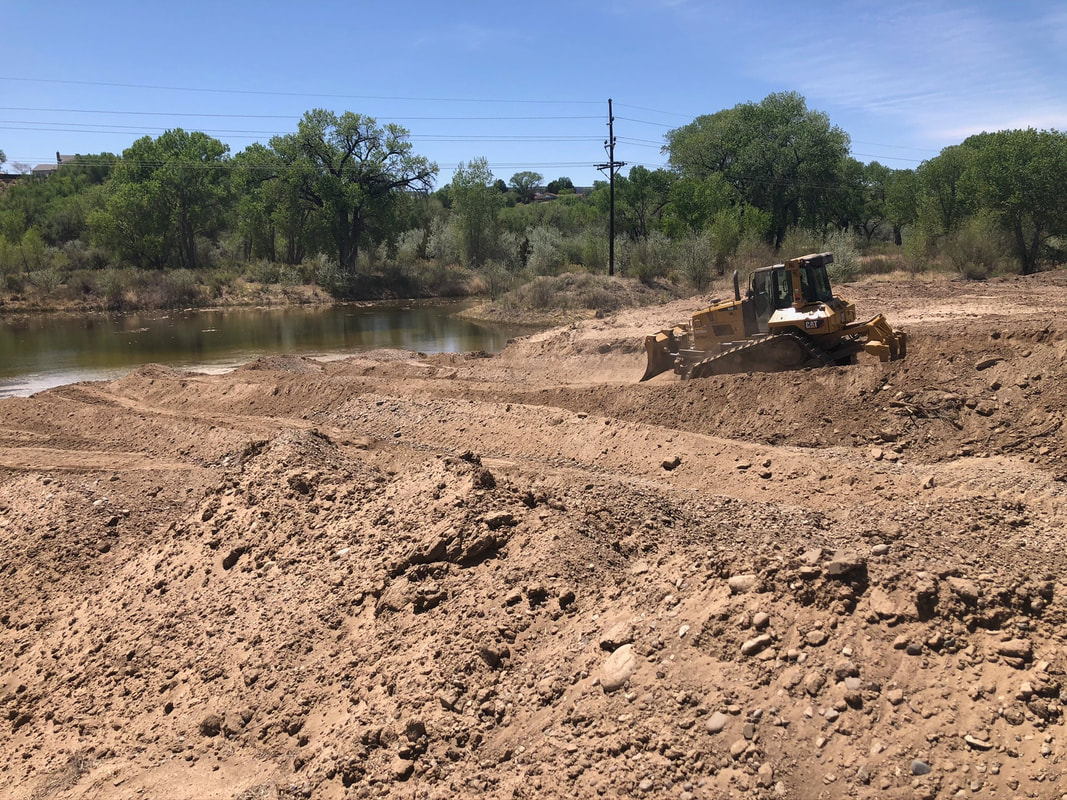
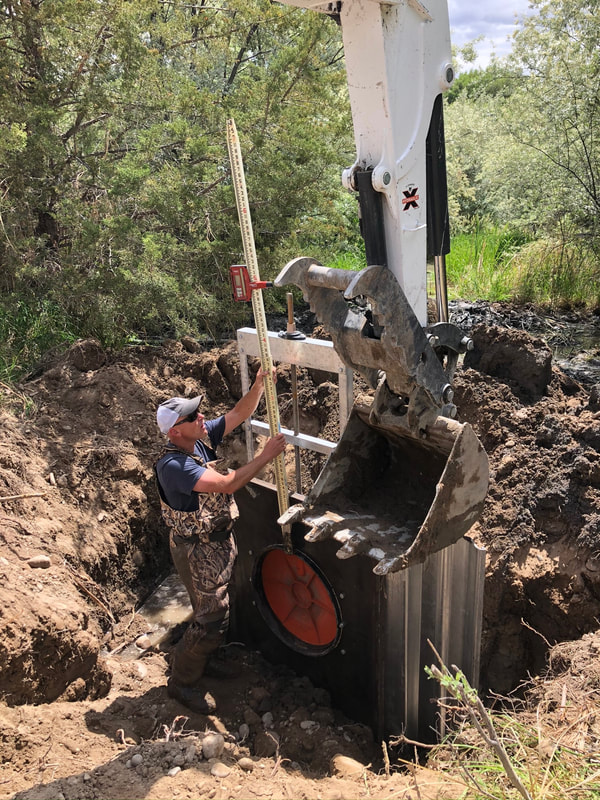
This project is a partnership between Grand Valley Audubon Society, Ducks Unlimited, RiversEdge West and others to improve wetland habitat on the Audubon Nature Preserve property in the heart of Grand Junction. The property is a former gravel mine that includes two "steep and deep" former gravel pit ponds: Osprey Pond and Traylor Pond. This project will re-contour portions of these ponds, and add water management infrastructure, to create shallow, emergent wetlands. Current conditions on the Audubon Nature Preserve support some populations of waterfowl, shorebirds and other wetland species. However, we have no means by which to manage water levels in Osprey and Traylor ponds to maximize use by wildlife. Water quality is poor and anoxic and levels are driven by groundwater fluctuations, out of phase with habitat needs of wetland birds during their annual migrations. This project will partially fill in the ponds and make them shallower, with a more level depth profile. In addition, we will install water management infrastructure to allow us to fill the ponds seasonally. This will allow us to fill the ponds for several weeks in the spring to provide habitat for water birds migrating North. Ponds will be allowed to dry out in the summer so that grasses and forbs can grow and set seed. In the fall, the ponds will be refilled for several weeks. Seeds from the plants that grew over the summer will provide an important food resource, and the shallow water will provide habitat for birds migrating South. We have received a generous grant from Colorado Parks and Wildlife's Wetlands for Wildlife Program, and we have significant funds to contribute to the project- but more funds are needed to cover the cost. We are currently applying for other state-wide grants to help complete this project. |
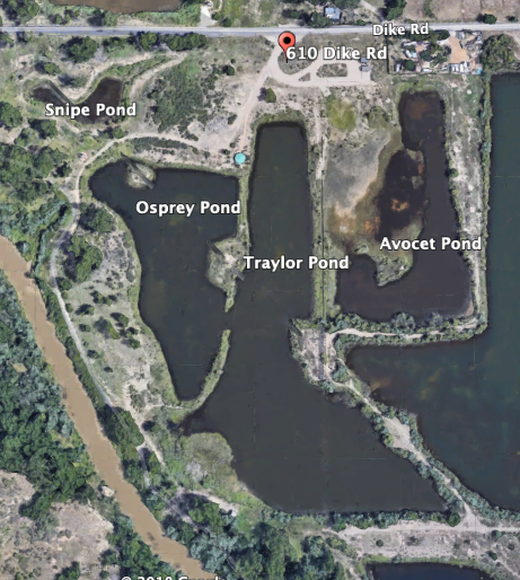
One of the biggest expenses will be obtaining fill dirt to partially fill in the ponds. There is not enough fill available for harvest on the property to allow us to complete this project. We will need up to 50,000 cubic yards of fill and we are seeking donations of fill dirt. It does not need to be high-quality, screened fill dirt- as long as it does not contain chemical pollutants.
The Grand Valley Audubon Society Wetlands Improvement Project restores valuable wetland habitat on a publicly accessible property in the heart of Grand Junction. It will provide wildlife watching recreational opportunities for our community and critical migration habitat for waterfowl. The Grand Valley Audubon Society is a 501(c)(3) non-profit and any donations of fill, or financial support, are tax deductible. Please consider supporting this project. Individual donations can help make this project happen and also help us win additional grants. If you would like to donate to the Wetlands Improvement Project, please click on the button below. If you have fill dirt to donate, please contact Meredith at [email protected] |